
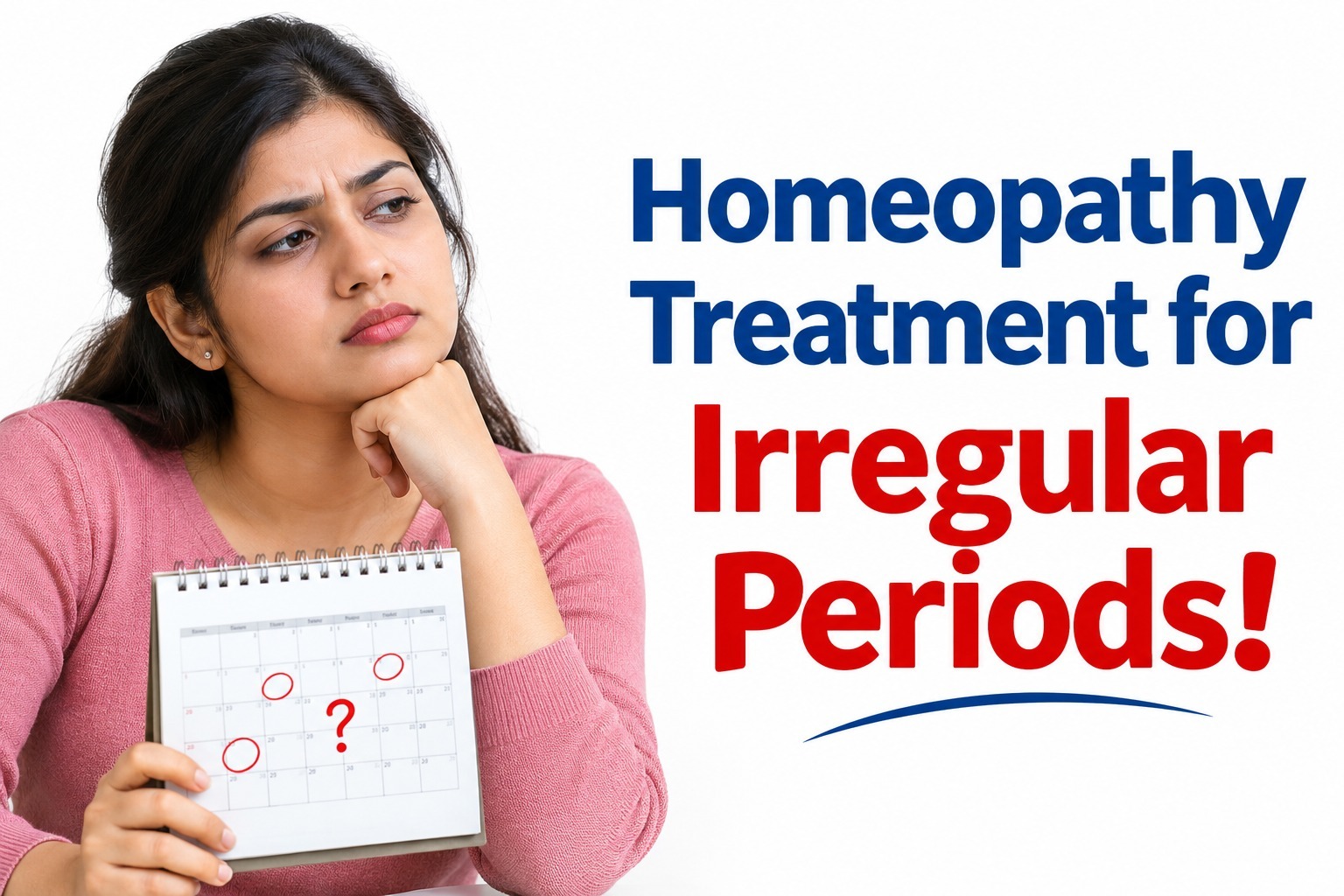
Irregular periods are a common menstrual health concern among women of different age groups. A menstrual cycle that frequently changes, unexpected bleeding, missed periods, or unusually long gaps between cycles can cause discomfort and worry. These changes may sometimes indicate underlying hormonal or reproductive health conditions that require medical attention. Understanding the causes and seeking appropriate guidance are important steps towards maintaining menstrual health.
Many women look for supportive approaches to manage menstrual health and improve their overall well-being. Learning about homeopathy treatment for irregular periods can help women understand different healthcare approaches while recognizing the importance of proper medical evaluation.
What Are Irregular Periods?
A menstrual cycle is counted from the first day of one period to the first day of the next. Although cycle lengths vary, most adult menstrual cycles occur approximately every 21 to 35 days.
Periods are considered irregular when cycle lengths frequently change, bleeding occurs unexpectedly, or menstruation is repeatedly missed. Occasional variations can happen because of stress, lifestyle changes, or temporary hormonal fluctuations. However, persistent irregularities should not be ignored.
Common Causes of Irregular Periods
Several factors can influence the menstrual cycle. Identifying the underlying cause helps healthcare professionals recommend appropriate care.
1. Hormonal Imbalance
Hormones such as estrogen and progesterone regulate menstruation. Changes in their levels can affect ovulation and lead to irregular bleeding.
2. Polycystic Ovary Syndrome (PCOS)
PCOS is a common hormonal condition associated with irregular ovulation. Women may experience delayed periods, acne, increased facial hair, and difficulty managing weight.
3. Thyroid Problems
Both underactive and overactive thyroid conditions can interfere with menstrual regularity and affect reproductive health.
4. Stress and Lifestyle Changes
Excessive stress, inadequate sleep, sudden weight changes, restrictive diets, and intense exercise can influence hormonal activity.
5. Other Medical Conditions
Conditions affecting the uterus, ovaries, or reproductive hormones may also contribute to irregular menstruation. Pregnancy, perimenopause, and certain medications can change menstrual patterns.
Symptoms Associated with Irregular Periods
Women experiencing menstrual irregularities may notice different symptoms depending on the underlying cause.
Common signs include:
- Periods occurring earlier or later than expected.
- Missing periods for one or more months.
- Unusually heavy or light menstrual bleeding.
- Menstrual cycles lasting fewer than 21 or more than 35 days.
- Severe abdominal cramps or pelvic discomfort.
- Acne and unwanted facial hair.
- Unexpected spotting between periods.
- Difficulty predicting the next menstrual cycle.
Tracking these symptoms can help doctors understand menstrual patterns and identify possible health concerns.
How Is Irregular Menstruation Diagnosed?
Finding the reason behind irregular periods is more important than simply trying to regulate the cycle.
A healthcare professional may review menstrual history, lifestyle habits, medications, and associated symptoms. Depending on individual circumstances, investigations may include pregnancy testing, thyroid function tests, hormone assessments, blood sugar testing, and pelvic ultrasound.
An accurate diagnosis helps identify conditions such as PCOS, thyroid disorders, or other reproductive health problems. Treatment should address the underlying cause rather than focusing only on menstrual timing.
Understanding Homeopathy for Menstrual Health
Homeopathy is an alternative system of medicine that uses highly diluted preparations. Some women explore it as an additional healthcare approach when experiencing menstrual concerns.
However, there is currently no reliable scientific evidence that homeopathic remedies effectively regulate menstrual cycles, correct hormonal imbalances, or treat conditions such as PCOS. Women should understand these limitations before choosing any treatment.
A consultation can provide an opportunity to discuss symptoms, medical history, and individual health concerns. Homeopathy should never replace medically recommended investigations or evidence-based treatment.
Lifestyle Habits That Support Menstrual Health

Healthy daily habits can support general reproductive and hormonal health.
Maintain a Balanced Diet: Include vegetables, fruits, whole grains, protein-rich foods, and healthy fats. Avoid extreme dieting and unnecessary food restrictions.
Exercise Regularly: Moderate physical activity can support metabolic health and help maintain a healthy weight.
Manage Stress: Meditation, yoga, breathing exercises, and relaxing activities may help improve emotional well-being.
Prioritize Sleep: Maintaining a consistent sleeping schedule supports overall health and healthy body functions.
Track Your Menstrual Cycle: Record period dates, bleeding patterns, pain, and other symptoms to identify changes over time.
When Should You Consult a Doctor?
Consult a qualified healthcare professional if periods remain irregular for several months, menstruation stops unexpectedly, or bleeding becomes unusually heavy.
Seek urgent medical attention for severe pelvic pain, fainting, dizziness, or heavy bleeding accompanied by weakness. If pregnancy is possible, take a pregnancy test and seek medical guidance.
Women trying to conceive should also discuss persistent irregular cycles with a fertility specialist because irregular ovulation can affect the chances of pregnancy.
Choosing the Right Homeopathy Clinic in Hyderabad
Women looking for the best homeopathy in Hyderabad should prioritize qualified practitioners, transparent treatment discussions, and responsible healthcare guidance.
Before selecting a clinic, check the practitioner’s qualifications, understand the proposed approach, and discuss whether additional medical investigations are necessary. Avoid clinics promising guaranteed results or permanent cures.
Sneha Homeopathy is an option women can explore when seeking information about homeopathic consultations and individual healthcare guidance. Patients should always make informed decisions and continue appropriate medical care for diagnosed conditions.
Conclusion
Irregular periods can result from several factors, including hormonal changes, PCOS, thyroid disorders, stress, and lifestyle habits. Understanding the underlying cause is essential for choosing appropriate treatment.
Women should not ignore persistent menstrual changes or depend on unproven remedies. With timely medical evaluation, healthy lifestyle habits, and appropriate evidence-based care, menstrual health concerns can be managed more effectively. If you experience repeated cycle irregularities, consult a qualified healthcare professional to understand your condition and discuss suitable treatment options.