
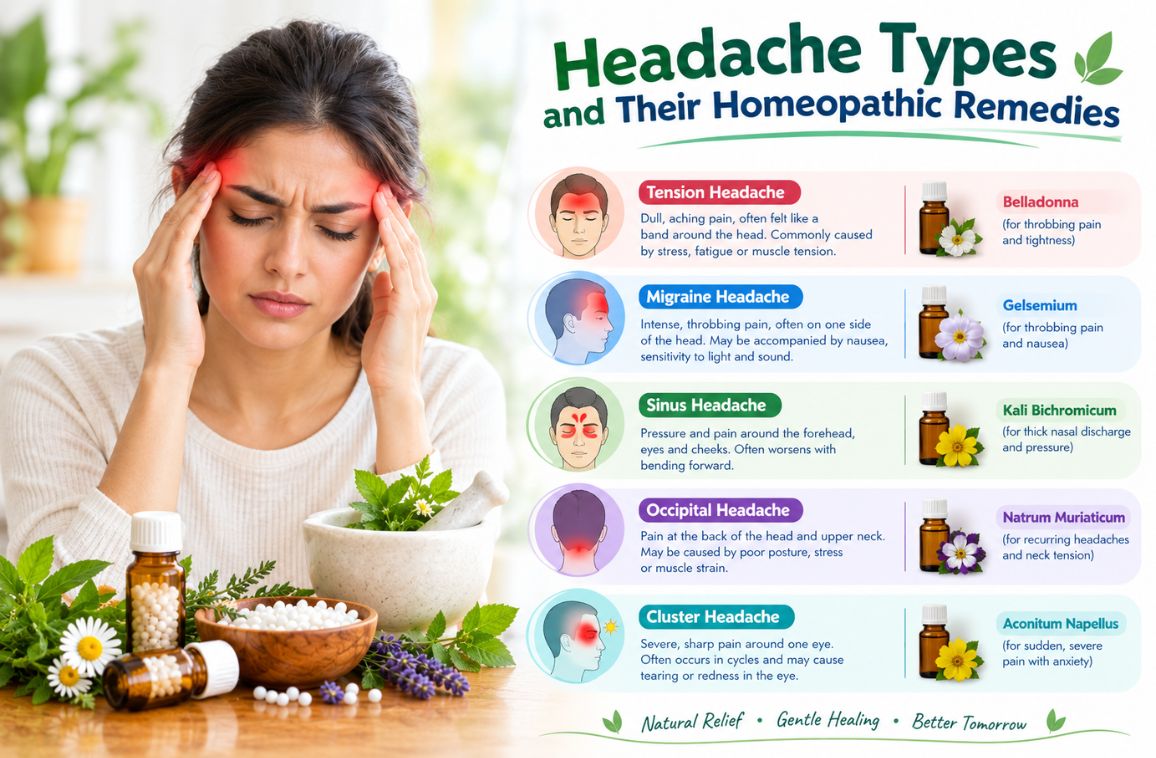
Headaches are among the most common health complaints, affecting people of different ages and lifestyles. From occasional headaches caused by tiredness to recurring migraines, head pain can interfere with work, sleep, concentration, and everyday activities. Understanding the different types of headaches, their possible triggers, and available treatment options can help people make informed decisions about their health.
For individuals exploring best homeopathy in Hyderabad, understanding how homeopathic care fits into a comprehensive headache management plan is an important first step.
Understanding Different Types of Headaches
A headache may feel like pressure, throbbing, tightness, or sharp pain. Its location, intensity, duration, and accompanying symptoms can provide useful clues about its possible cause.
1. Tension Headaches
Tension headaches often cause a dull, aching sensation or tightness around the forehead, temples, or back of the head. Stress, poor posture, lack of sleep, and prolonged screen time may contribute to these headaches.
Helpful measures: Take regular screen breaks, maintain good posture, drink enough water, and practise relaxation techniques.
2. Migraine Headaches
Migraines may cause moderate to severe throbbing pain, often on one side of the head. Some people experience nausea, vomiting, sensitivity to light or sound, or visual disturbances known as aura.
Common triggers include hormonal changes, stress, irregular sleep, and certain foods. Identifying personal triggers and seeking appropriate medical treatment can help manage migraine episodes.
3. Cluster Headaches
Cluster headaches cause intense pain, usually around one eye or one side of the head. They may occur in repeated attacks over several weeks. Watery eyes, nasal congestion, and facial sweating may accompany the pain.
Cluster headaches require medical evaluation because specific treatments can help relieve attacks and reduce their frequency.
4. Sinus-Related Headaches
Sinus inflammation may cause facial pressure, discomfort around the forehead and cheeks, nasal congestion, and thick nasal discharge. However, many headaches mistaken for sinus headaches are actually migraines.
A healthcare professional can help identify the underlying cause and recommend suitable treatment.
How Homeopathy Approaches Headaches
Homeopathy is an alternative system of medicine that uses highly diluted substances. Homeopathic practitioners traditionally select remedies based on an individual’s symptoms, health history, and reported triggers.
However, there is no reliable scientific evidence that homeopathy effectively treats headaches or migraines beyond placebo effects. It should not replace evidence-based medical care, especially for severe or recurring headaches.
People interested in homeopathy should discuss their symptoms with a qualified healthcare professional and avoid stopping prescribed medication without medical advice.
Commonly Discussed Homeopathic Remedies
The following remedies are traditionally mentioned in homeopathic practice. Their effectiveness for headaches has not been established through reliable scientific evidence.
-
Belladonna: Traditionally associated with sudden, throbbing headaches.
-
Bryonia: Traditionally considered for headaches described as worsening with movement.
-
Nux vomica: Commonly discussed for headaches associated with digestive discomfort or lifestyle triggers.
-
Iris versicolor: Traditionally mentioned in discussions of headaches accompanied by digestive symptoms.
These descriptions reflect traditional homeopathic use, not proven treatment benefits. Remedy selection should never delay medical assessment or appropriate headache treatment.
When Should You Seek Medical Attention?
Most headaches are not emergencies, but certain symptoms require immediate medical attention.
Seek emergency care if you have a headache:
-
Begins suddenly and reaches severe intensity within seconds or minutes.
-
Occurs with weakness, confusion, fainting, seizures, or difficulty speaking.
-
Develops with fever, a stiff neck, or a new rash.
-
Follows a serious head injury.
-
Causes sudden vision loss or severe eye pain.
Consult a healthcare professional if headaches become frequent, worsen over time, interfere with daily activities, or require regular pain medication.
Everyday Habits for Better Headache Management
Healthy routines can support overall well-being and may help reduce some headache triggers.
Maintain a Consistent Sleep Schedule
Aim for regular sleeping and waking times. Both insufficient sleep and changes in sleeping patterns can trigger headaches in some people.
Stay Hydrated
Drink water regularly throughout the day. Dehydration can contribute to headaches, particularly during hot weather or physical activity.
Manage Stress
Try gentle exercise, breathing exercises, meditation, or other relaxing activities. These practices may help reduce stress-related headache triggers.
Track Your Headaches
Maintain a headache diary recording pain intensity, duration, sleep, meals, stress, menstrual cycles, and medication use. This information can help your healthcare professional identify patterns and recommend appropriate care.

Explore Headache Care in Hyderabad
If headaches are affecting your routine, consider seeking professional guidance to understand their cause and discuss suitable treatment options.
At Sneha Homeopathy, individuals can enquire about homeopathic consultations and discuss their symptoms and health concerns. A responsible approach includes understanding the limitations of homeopathy, reviewing existing treatments, and seeking medical referral whenever necessary.
For people searching for the best homeopathy in Hyderabad, informed healthcare decisions should focus on qualified practitioners, transparent treatment information, and appropriate medical supervision.
Conclusion
Headaches can arise from several causes, including stress, migraine, sleep disturbances, and sinus problems. Recognizing headache patterns, maintaining healthy routines, and obtaining an accurate diagnosis can support effective management.
Homeopathy is sometimes explored as a complementary approach, but scientific evidence does not establish its effectiveness for headaches. Prioritise proven treatments and professional medical advice to manage symptoms safely and protect your long-term health.